.jpg)
Essential Guide for Canadians (and Americans) Moving to Mexico: Real Estate, Cost of Living, and Settling In Tips

Moving to Mexico from Canada or the U.S. is a dream for many seeking a change of pace, warmer weather, and a rich cultural experience. For those considering this transition, understanding the real estate market, cost of living, and practical steps to settle in can make the move smoother and more enjoyable. This guide focuses on key information for immigrants, especially those interested in areas like Lake Chapala, known for its best weather, vibrant community, and natural beauty.

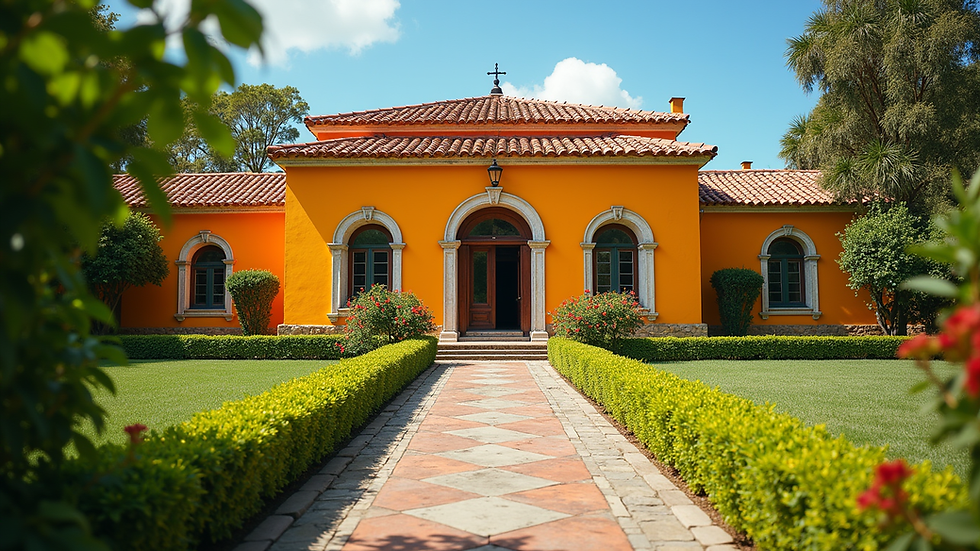
Lakeside home near Lake Chapala showcasing the natural beauty and peaceful living environment.
Popular Areas to Live in Mexico for Canadians and Americans
Mexico offers diverse living options, from bustling cities to tranquil towns. Here are some popular areas favored by North American immigrants:
Lake Chapala
Known for its mild climate and scenic lake views, Lake Chapala attracts many retirees and remote workers. The town of Ajijic, on the lake’s north shore, offers a welcoming expat community, access to nature, and a slower pace of life.
San Miguel de Allende
Famous for its colonial architecture and thriving arts scene, this city appeals to those who enjoy music, art, and cultural events. It has a strong expat presence and a variety of housing options.
Puerto Vallarta
A coastal city with beautiful beaches, vibrant nightlife, and excellent food options. It’s ideal for those who want a mix of beach life and urban amenities.
Mexico City
For those who prefer a large metropolitan area, Mexico City offers endless shopping, dining, and cultural experiences. The real estate market is diverse, with neighborhoods ranging from historic to modern.
Real Estate Options and Buying Tips
Buying property in Mexico requires understanding local laws and market conditions. Here are some key points:
Types of Properties
Options include condos, single-family homes, and land. Near Lake Chapala, many homes have traditional Mexican architecture with modern touches.
Foreign Ownership
Foreigners can own property outright in most parts of Mexico, but near coastlines and borders, ownership is through a bank trust called a fideicomiso.
Working with a Realtor
Choose a reputable local realtor familiar with foreign buyers. They can guide you through paperwork, negotiations, and legal requirements.
Property Inspection
Always inspect the property thoroughly. Check for structural issues, water availability, and access to utilities.
Negotiation
Prices are often negotiable. Understanding the local market and comparable sales helps in making a fair offer.
Closing Process
Closing involves a notary public who ensures the transaction complies with Mexican law. Expect additional costs like taxes and fees, typically around 5-7% of the purchase price.
Rental Market Insights
Renting is a good way to test living in Mexico before buying. Here’s what to expect:
Rental Prices
Rent varies widely. In Lake Chapala, a furnished one-bedroom apartment can cost between $500 to $900 USD per month, depending on location and amenities.
Lease Terms
Leases usually run for six months to a year. Short-term rentals are available but tend to be pricier.
Utilities and Services
Confirm what is included in rent. Water, electricity, and internet may be extra.
Finding Rentals
Use local classifieds, expat forums, and real estate agents. Visiting in person before committing is highly recommended.
Cost of Living Compared to Canada and the U.S.
Mexico offers a lower cost of living, which is a major draw:
Housing
Property prices and rent are generally 40-60% lower than in many Canadian or U.S. cities.
Food
Local markets provide fresh produce at low prices. Dining out is affordable, with street food and restaurants offering excellent food options.
Transportation
Public transport and taxis are inexpensive. Owning a car is optional depending on location.
Healthcare
Quality healthcare is available at a fraction of the cost in North America. Many expats use private clinics and hospitals.
Entertainment and Shopping
Costs for shopping and leisure activities vary but tend to be lower, especially for local goods and services.
Cultural Adjustments and Practical Advice
Adapting to life in Mexico involves more than just logistics:
Language
Learning basic Spanish helps with daily interactions and builds connections.
Community
Joining local clubs or expat groups can ease the transition and provide support.
Pace of Life
Life moves slower, especially in smaller towns. Patience and flexibility are important.
Safety
Like any country, safety varies by area. Research neighborhoods and follow local advice.
Utilities and Services
Expect occasional interruptions in water or electricity. Planning ahead helps avoid inconvenience.
Cultural Norms
Respect local customs and traditions. Participating in festivals and events enriches the experience.
Personal Stories from Canadians Who Moved to Mexico
Hearing from others who have made the move can provide valuable insights:
Linda from Toronto
“Moving to Lake Chapala was the best decision for my retirement. The best weather keeps me outdoors, and the local nature is stunning. I enjoy photography here, capturing sunsets over the lake. The community is welcoming, and I’ve made friends through local music events.”
Mark from Vancouver
“I rented a home in Ajijic for a year before buying. The rental market was straightforward once I connected with a good realtor. The cost of living is much lower, and I love exploring the local food markets. Shopping for fresh ingredients is a daily pleasure.”
Susan from Chicago
“Adjusting to the slower pace took time, but joining an expat group helped. I also started learning Spanish, which made a big difference. The cultural richness, especially the music and festivals, keeps life exciting.”

Comments